
Skip to content
Get in touch
Menu
  • Home
  • Headlines
  • Agribusiness
  • AgriTech News
  • Livestock
  • Crops
  • Farmer’s Spotlight
Home » UNDP To Train 11,000 Farmers In Sustainable Rice Production Rice Production In Ghana
Crops

UNDP To Train 11,000 Farmers In Sustainable Rice Production Rice Production In Ghana

SefakorBy SefakorMay 29, 2023No Comments4 Mins Read
Facebook Twitter Pinterest LinkedIn Tumblr WhatsApp VKontakte Email
Share
Facebook Twitter LinkedIn Pinterest Email

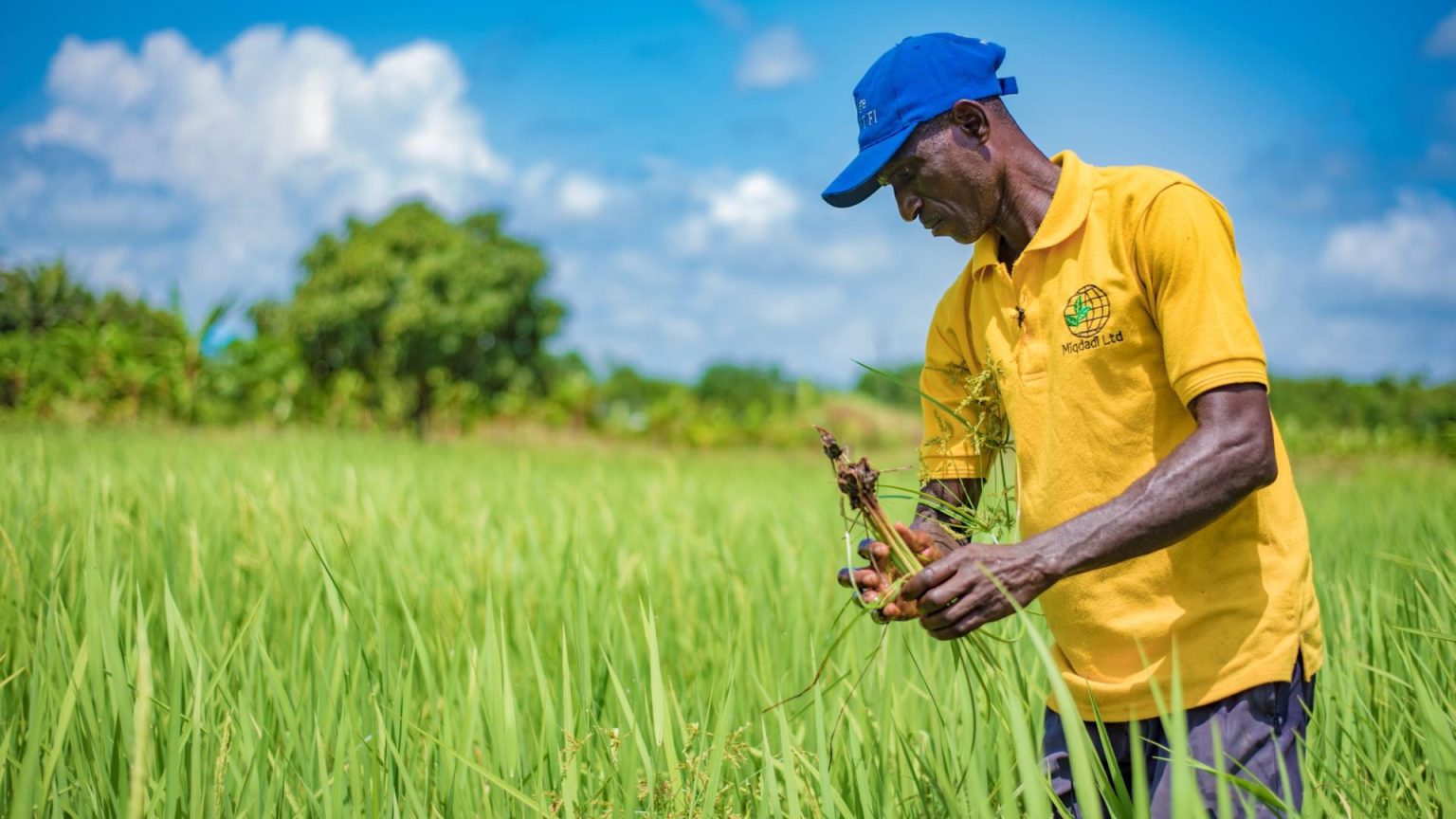
The United Nations Development Programme (UNDP) is implementing a project on sustainable rice production in Ghana where 11,000 farmers will be trained on the efficient use of water to reduce the emission of methane.

Methane is a potent greenhouse gas that contributes to global warming that is a colourless, odourless gas. It is mainly made up of natural gas, found in small quantities in the atmosphere.

The methane project, which is expected to boost yield while reducing greenhouse gas emissions, will gather 20,000 hectares of rice by 2030.

The project is the first under the Ghana-Switzerland Article Six Cooperation Approach.

According to the Article, under the Paris Agreement, the country has the go-ahead to transfer carbon credit earned from the reduction of greenhouse gas emission to help one or more parties to meet their own climate targets.

Dr Daniel Benefoh, the Focal Person of the UN Framework Convention on Climate Change (UNFCCC) in Ghana, told the Ghana News Agency that the production of methane was very much at the core of the country’s main activities in mitigating climate change.

The three major sources of methane generation in Ghana are Agriculture, which includes livestock and rice production; Waste Management; and Oil and Gas.
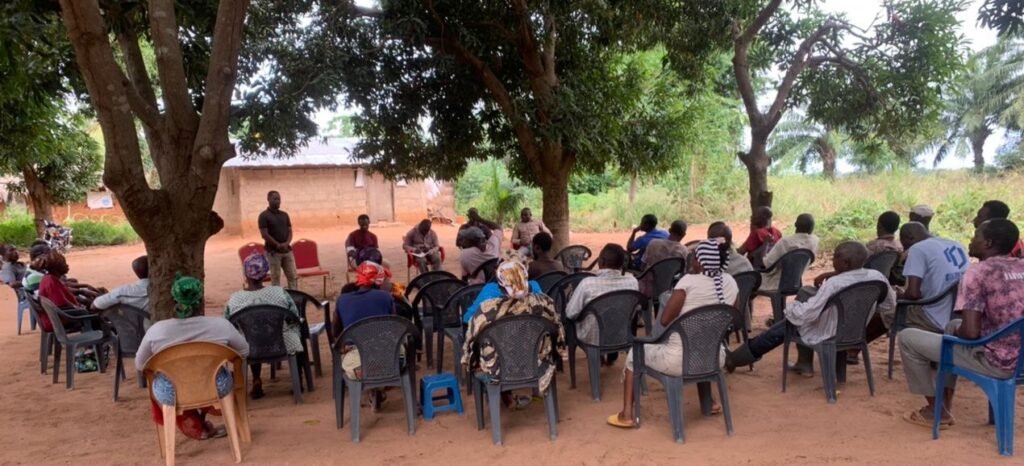
Farmers are being trained on the adoption of the alternate wetting and drying technology in rice cultivation to limit methane emission.

“These are the three major sources of methane generation in the country and, therefore, they also become part of the solution,” he said.

“The whole idea is to promote the alternate wetting and drying in rice cultivation. We are currently onboarding rice farmers across the country. We have done some work in the Shai Hills area, in the Volta Region, and now working in the Upper East and parts of the Upper West regions.”

Dr Benefoh revealed that a training manual had been developed for the farmers with some sensitisation programmes held for them to be able to measure the water on their farm using simple equipment.

“The measurement of the water is to be done with simple equipment; that is a PVC pipe that had been perforated with some markings around it to indicate the level of water to aid the rice farmer to measure,” he said.
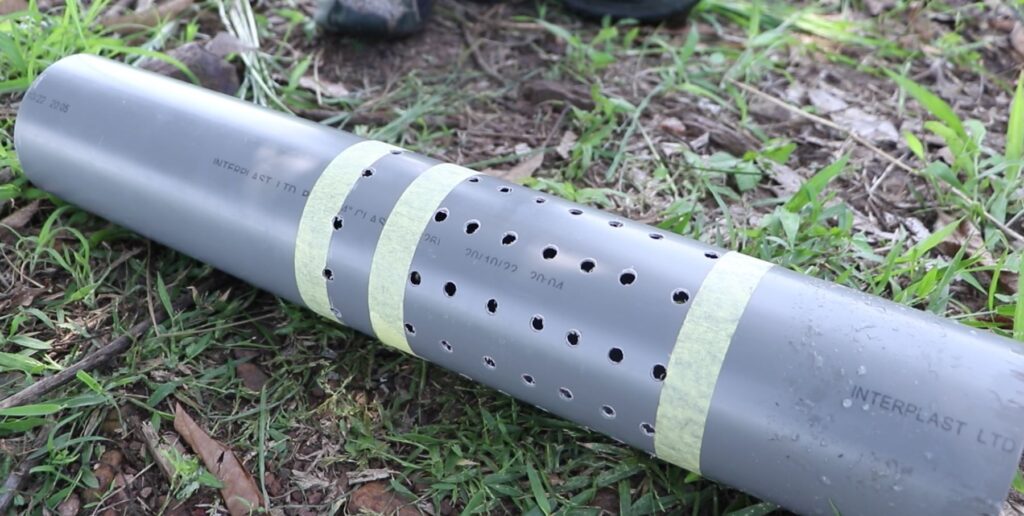
The simple technology to help reduce methane emissions in Ghana’s rice farms. This will reduce amount of water used for irrigation.

“When there is water in the PVC pipe it means that there’s no need for the farmer to inundate the farm with water, but when it is empty, he or she can irrigate it. We use that as a base for monitoring the water content in the rice farm.”

The project is mainly focused on irrigation farming that provides a more accessible avenue to measure, Dr Benefoh said, and thus rain-fed farming was not part of it for the time being.

The project is being implemented by the Ghana Irrigation Development Authority, in collaboration with the Environmental Protection Agency, the UNDP and the Switzerland Government.

Ghana is now seven years away from meeting the target of gathering 20,000 hectors of rice and as to whether this is attainable within this period, Dr Benefo said: “We are slow in starting and it’s also experimental so we’re going to learn in the first half, hence uptake would not be as high as expected.”

“…From next year onward, we will be able to get more farmers on board to augment the implementation process”.
Ghana has begun receiving payments for reducing carbon emissions in forest landscapes.
The World Bank’s Forest Carbon Partnership Facility paid the country 4,862,280 dollars for reducing 972,456 tonnes of carbon emissions for the first monitoring period under the programme (June to December 2019).

The methane project, therefore, feeds into the bigger picture of placing Ghana on a better platform to earn more carbon credit from reducing greenhouse gas emissions.

Source: GNA

Photos: UNDPGhana

Share this:

  • Share on Facebook (Opens in new window) Facebook
  • Share on X (Opens in new window) X

Like this:

Like Loading...
11 11000 farmers Ghanaian Farmer greenhouse gas rice production UNDP
Share. Facebook Twitter Pinterest LinkedIn Tumblr WhatsApp Email
Previous Article200 Bags of Smuggled Cocoa Beans Seized In Taviefe
Next Article Ghana Makes List Of Top 10 African Countries Where Food Is Expensive To Get
Sefakor
  • Website

Related Posts

CSIR Highlights Decline Of Indigenous Crops In Ghana As Foreign Markets Pay Premium Prices

June 11, 2026

Chef Abbys’ UK Takeover Signals New Era for Ghanaian Cuisine and Local Agriculture

May 26, 2026

Ghanaian Farmers To Pay Up To GH¢480,000 Licence Fee for a Hectare of “Wee” Farm; Farmer Fights Gov’t At Supreme Court

March 2, 2026

Northern MPs To Send Team Abroad To Master Cutting-Edge Rice Processing Techniques

November 5, 2025

Leave a ReplyCancel reply

Demo
Our Picks

Remember! Bad Habits That Make a Big Impact on Your Lifestyle

January 13, 2021

The Right Morning Routine Can Keep You Energized & Happy

January 13, 2021

How to Make Perfume Last Longer Than Before

January 13, 2021

Stay off Social Media and Still Keep an Online Social Life

January 13, 2021
  • Facebook
  • Twitter
  • Instagram
  • YouTube
  • LinkedIn
Don't Miss
Agribusiness

Processed Farm Products Push Ghana’s Non-Traditional Exports Past $5bn Mark

By SefakorJune 22, 20260

Value addition to farm products into exportable goods for the international market has made giant…

Share this:

  • Share on Facebook (Opens in new window) Facebook
  • Share on X (Opens in new window) X

Like this:

Like Loading...

African Cocoa Alliance Pushes $6,000 Price Floor to End Global Value Imbalance

June 22, 2026

Agric Minister Explains What Belarus Partnership Means For Ghana

June 19, 2026

Ghana And Côte D’Ivoire Align Cocoa Policies In Bid To Strengthen Global Market Power

June 17, 2026

Subscribe to Updates

Get the latest creative news from SmartMag about art & design.

About Us
About Us

The Ghanaian Farmer is Ghana’s leading agricultural news and advocacy platform, dedicated to informing, educating, and inspiring farmers and agribusiness stakeholders. We spotlight innovations, share success stories, and promote sustainable practices to strengthen Ghana and Africa’s food systems

We're open to do busines with you and amplify your agriculture business.

Email Us: info@theghanaianfarmer.com
Contact: +233 554830431

Our Picks

Remember! Bad Habits That Make a Big Impact on Your Lifestyle

January 13, 2021

The Right Morning Routine Can Keep You Energized & Happy

January 13, 2021

How to Make Perfume Last Longer Than Before

January 13, 2021
New Comments
  • John on Climate Change And The Need For Forest Protection In Ghana
  • Sefakor on Cashew Development In Ghana; What Has Changed? Nana Yaw Reuben writes
  • https://yourkinkinpink.com on Commercialisation Of Farming Drives Market And Investment- Rice Farmer
  • tokyovipjapanesecompanions.com on Commercialisation Of Farming Drives Market And Investment- Rice Farmer
Facebook X (Twitter) Instagram YouTube LinkedIn
© 2026 The Ghanaian Farmer. Designed by AJ Willz Media.

Type above and press Enter to search. Press Esc to cancel.


Loading Comments...
 

    %d