
Close Menu

    Subscribe to Updates

    Get the latest creative news from FooBar about art, design and business.

    What's Hot

    Processed Farm Products Push Ghana’s Non-Traditional Exports Past $5bn Mark

    June 22, 2026

    African Cocoa Alliance Pushes $6,000 Price Floor to End Global Value Imbalance

    June 22, 2026

    Agric Minister Explains What Belarus Partnership Means For Ghana

    June 19, 2026
    Facebook X (Twitter) Instagram
    Facebook X (Twitter) Instagram
    The Ghanaian Farmer
    Subscribe
    • Homepage
    • Agribusiness
    • AgriTech News
    • Livestock
    • Crops
    • Farmer’s Spotlight
    The Ghanaian Farmer
    Home » Climate Change And The Need For Forest Protection In Ghana
    Ghana

    Climate Change And The Need For Forest Protection In Ghana

    SefakorBy SefakorMarch 17, 20231 Comment3 Mins Read
    Facebook Twitter Pinterest LinkedIn Tumblr WhatsApp VKontakte Email
    Share
    Facebook Twitter LinkedIn Pinterest Email

    Climate change is one of the biggest environmental challenges of our time, and one of the most critical factors in mitigating its impact is forest protection. Forests play a crucial role in regulating the Earth’s climate by absorbing carbon dioxide (CO2) from the atmosphere and storing it in trees and soil. However, deforestation and forest degradation are major contributors to global greenhouse gas emissions, making forest protection a vital strategy in the fight against climate change.

    Deforestation and forest degradation account for around 10% of global greenhouse gas emissions, making it the second-largest source after the energy sector. The destruction of forests also disrupts the water cycle, reduces biodiversity, and increases the risk of natural disasters like floods and landslides. Additionally, deforestation and forest degradation can cause a range of social and economic problems for communities that depend on forests for their livelihoods, including loss of income and food insecurity.

    To address these challenges, forest protection must be a critical component of climate change mitigation strategies. Protecting existing forests, restoring degraded forests, and expanding forest cover can help to absorb CO2 from the atmosphere and reduce emissions from deforestation and forest degradation. Forest protection can also have co-benefits for biodiversity conservation, water regulation, and human well-being.
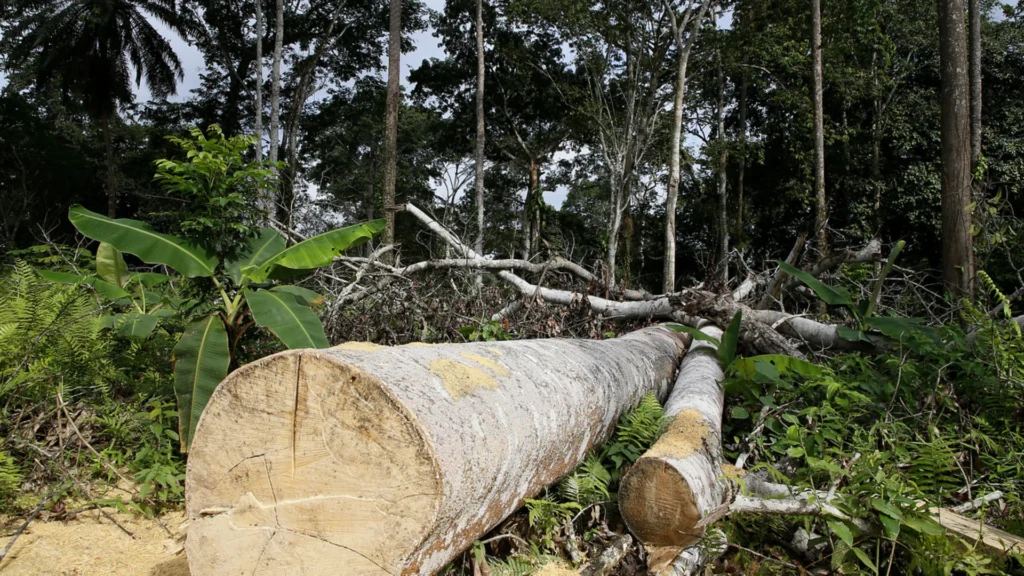
    The United Nations Framework Convention on Climate Change (UNFCCC) has recognized the importance of forests in climate change mitigation and has developed several mechanisms to promote forest protection. One of these mechanisms is the Reducing Emissions from Deforestation and Forest Degradation (REDD+) program, which provides financial incentives to countries that reduce emissions from deforestation and forest degradation. REDD+ also supports forest conservation, restoration, and sustainable management, helping to create economic incentives for forest protection while also reducing emissions.

    In addition to international efforts, national and local governments can also play a vital role in forest protection. Governments can implement policies and regulations to prevent deforestation and encourage sustainable forest management. They can also provide financial support for forest conservation and restoration, working with communities to ensure that local people benefit from forest protection and management.

    Finally, individuals and businesses can also contribute to forest protection by reducing their carbon footprint and supporting sustainable forest products. Planting trees, reducing paper consumption, and choosing sustainable wood products can all help to support forest protection efforts.

    In conclusion, protecting forests is a critical strategy for addressing climate change. Forest protection can help to absorb CO2 from the atmosphere, reduce emissions from deforestation and forest degradation, and provide co-benefits for biodiversity conservation, water regulation, and human well-being. By working together, governments, communities, and individuals can help to protect forests and mitigate the impact of climate change.

    Share this:

    • Share on Facebook (Opens in new window) Facebook
    • Share on X (Opens in new window) X

    Like this:

    Like Loading...
    Share. Facebook Twitter Pinterest LinkedIn Tumblr WhatsApp Email
    Previous ArticleCashew Development In Ghana; What Has Changed? Nana Yaw Reuben writes
    Next Article Food Security In Africa: Agro-Processing Is The Answer More Than Just Food Production – Concerned Citizens
    Sefakor
    • Website

    Related Posts

    Chef Abbys’ UK Takeover Signals New Era for Ghanaian Cuisine and Local Agriculture

    May 26, 2026

    Ghanaian Farmers To Pay Up To GH¢480,000 Licence Fee for a Hectare of “Wee” Farm; Farmer Fights Gov’t At Supreme Court

    March 2, 2026

    Better Food and a Better Future: Ghana Marks World Food Day 2025

    October 16, 2025

    Ghana Records Highest Food Inflation Rate Among Lower-middle

    February 25, 2025

    1 Comment

    1. John on March 17, 2023 7:11 pm

      Nice one

      Reply

    Leave a ReplyCancel reply

    Demo
    Our Picks

    Remember! Bad Habits That Make a Big Impact on Your Lifestyle

    January 13, 2021

    The Right Morning Routine Can Keep You Energized & Happy

    January 13, 2021

    How to Make Perfume Last Longer Than Before

    January 13, 2021

    Stay off Social Media and Still Keep an Online Social Life

    January 13, 2021
    • Facebook
    • Twitter
    • Instagram
    • YouTube
    • LinkedIn
    Don't Miss
    Agribusiness

    Processed Farm Products Push Ghana’s Non-Traditional Exports Past $5bn Mark

    By SefakorJune 22, 20260

    Value addition to farm products into exportable goods for the international market has made giant…

    Share this:

    • Share on Facebook (Opens in new window) Facebook
    • Share on X (Opens in new window) X

    Like this:

    Like Loading...

    African Cocoa Alliance Pushes $6,000 Price Floor to End Global Value Imbalance

    June 22, 2026

    Agric Minister Explains What Belarus Partnership Means For Ghana

    June 19, 2026

    Ghana And Côte D’Ivoire Align Cocoa Policies In Bid To Strengthen Global Market Power

    June 17, 2026

    Subscribe to Updates

    Get the latest creative news from SmartMag about art & design.

    About Us
    About Us

    The Ghanaian Farmer is Ghana’s leading agricultural news and advocacy platform, dedicated to informing, educating, and inspiring farmers and agribusiness stakeholders. We spotlight innovations, share success stories, and promote sustainable practices to strengthen Ghana and Africa’s food systems

    We're open to do busines with you and amplify your agriculture business.

    Email Us: info@theghanaianfarmer.com
    Contact: +233 554830431

    Our Picks

    Remember! Bad Habits That Make a Big Impact on Your Lifestyle

    January 13, 2021

    The Right Morning Routine Can Keep You Energized & Happy

    January 13, 2021

    How to Make Perfume Last Longer Than Before

    January 13, 2021
    New Comments
    • John on Climate Change And The Need For Forest Protection In Ghana
    • Sefakor on Cashew Development In Ghana; What Has Changed? Nana Yaw Reuben writes
    • https://yourkinkinpink.com on Commercialisation Of Farming Drives Market And Investment- Rice Farmer
    • tokyovipjapanesecompanions.com on Commercialisation Of Farming Drives Market And Investment- Rice Farmer
    Facebook X (Twitter) Instagram YouTube LinkedIn
    © 2026 The Ghanaian Farmer. Designed by AJ Willz Media.

    Type above and press Enter to search. Press Esc to cancel.


    Loading Comments...
     

      %d