
Skip to content
Get in touch
Menu
  • Home
  • Headlines
  • Agribusiness
  • AgriTech News
  • Livestock
  • Crops
  • Farmer’s Spotlight
Home » Climate Change Threats: Agric Minister Warns Of Food Shortage In Ghana
Agribusiness

Climate Change Threats: Agric Minister Warns Of Food Shortage In Ghana

SefakorBy SefakorMay 2, 2023No Comments3 Mins Read
Facebook Twitter Pinterest LinkedIn Tumblr WhatsApp VKontakte Email
Share
Facebook Twitter LinkedIn Pinterest Email

The Minister of Food and Agriculture, Mr Bryan Acheampong, has cautioned that Ghana’s food production may suffer a decline in the 2023 farming season and beyond due to the effect of climate change.

According to him, a significant reduction in rainfall, increased temperatures and floods are affecting a sector that heavily relies on rain-fed farming, adding that this may result in a one to 2.5 per cent reduction in the agriculture’s contribution to Ghana’s GDP. If food production drops by seven per cent, it could lead to poverty, malnutrition, and food insecurity.

Mr. Acheampong made this known in a speech read on his behalf by Alhaji Mohammed Hardi Tufeeiru, a Deputy Minister of Agriculture during a sub-Saharan knowledge exchange conference under the theme, “Investing in Farmer-Led Irrigation Development in Sub-Saharan Africa,” in Accra.

The two-day event, sponsored by the International Water Management Institute (IWMI), the USAID-funded Innovation Lab for Small-Scale Irrigation (ILSSI), the CGIAR Initiative on West and Central African Food Systems Transformation, the World Bank, and Water and Energy for Food, will consider best approaches for addressing the challenges and gaps in the agriculture sector through new knowledge and investment actions in a five-year-period.

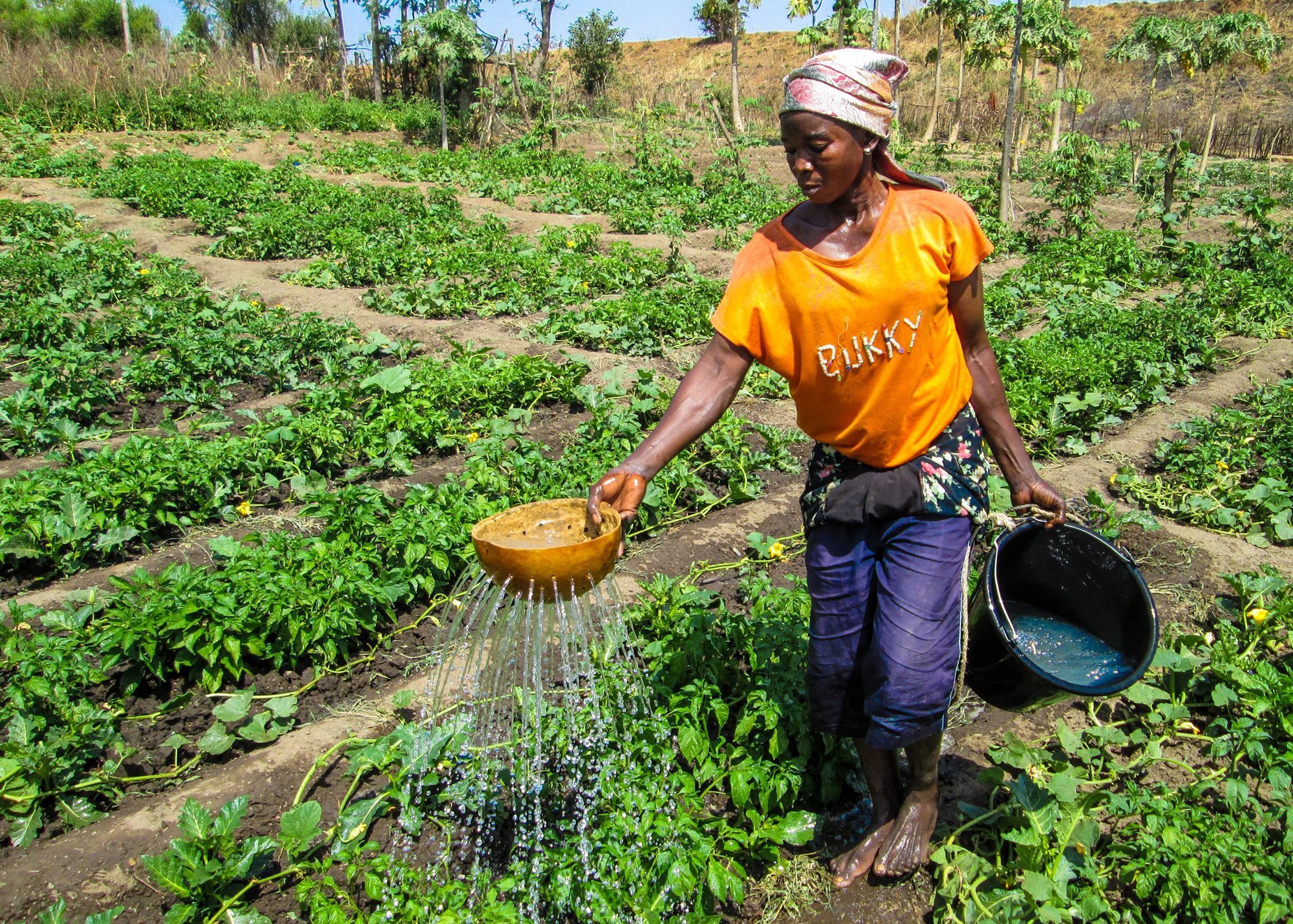
The Agric Minister while acknowledging the initiatives the government has implemented so far, he also emphasized there is a need for more interventions to address the emerging issues, particularly the impact of the climate crisis. He added that irrigation is paramount to helping the sector cope with the impact of the climate crisis.

“This is where we need the continuous support from businesses, development partners, research and academia and other stakeholders to build climate-resilient food system transformation,” he added.

Meanwhile, Dr Olufunke Cofie, the Country Representative – Ghana, Regional Representative – West Africa, IWMI, has disclosed that research and practice have proven that dry season irrigation is the most effective option that could more than double the yields of farmers.

She, however, said land under irrigation cultivation in the continent was below 10 per cent and called for the need to take steps to increase it.

“When farmers are adequately empowered with better market access and all other resources their modest investment will result in substantial gains for themselves and other actors on the value chain,” Dr Cofie said.

She called for increased investment in farm-led irrigation projects adding that this will go a long way to promote climate resilience among smallholder farmers and support healthy diets.

Meanwhile, the Sustainable Development Sector Leader at the World Bank’s Ghana office, Mr Lorenzo Carrera, underscored that the agricultural sector is highly vulnerable to climate unpredictability and change because it depends heavily on rainfall.

According to him, erratic rainfall patterns harshly affect productivity as only two per cent of the country’s irrigation potential is currently utilized.

Mr Carrera believes capitalising on irrigation infrastructure and reliable access to water for agriculture can significantly increase the country’s climate resilience, and raise production opportunities and livelihoods for smallholder farmers.

On her part, Ms Amber Lily Kenny, the Feed the Future Coordinator, research has shown enormous potential for irrigated vegetable production in the country as more and more farmers have developed an interest in it.

She indicated that around 700,000 smallholder farmers in Ghana are ready to adopt small-scale irrigation over the next decade to enhance their resilience to the climate crisis.

Share this:

  • Share on Facebook (Opens in new window) Facebook
  • Share on X (Opens in new window) X

Like this:

Like Loading...
2023 farming season climate change Food shortage irrigation
Share. Facebook Twitter Pinterest LinkedIn Tumblr WhatsApp Email
Previous ArticleMinority Takes On COCOBOD After Mahama’s Claims On Cocoa Sector
Next Article Gov’t Outlines Support Systems In Place To Boost Aquaculture Industry To Reduce Cost Of Fish
Sefakor
  • Website

Related Posts

Processed Farm Products Push Ghana’s Non-Traditional Exports Past $5bn Mark

June 22, 2026

Agric Minister Explains What Belarus Partnership Means For Ghana

June 19, 2026

Fisheries Minister Launches Project To Convert Abandoned Pits Into Fish Farms

June 12, 2026

Satisfying Consumer Taste Key To Ending Rice Importation – Ghana Rice Federation

June 5, 2026

Leave a ReplyCancel reply

Demo
Our Picks

Remember! Bad Habits That Make a Big Impact on Your Lifestyle

January 13, 2021

The Right Morning Routine Can Keep You Energized & Happy

January 13, 2021

How to Make Perfume Last Longer Than Before

January 13, 2021

Stay off Social Media and Still Keep an Online Social Life

January 13, 2021
  • Facebook
  • Twitter
  • Instagram
  • YouTube
  • LinkedIn
Don't Miss
Agribusiness

Processed Farm Products Push Ghana’s Non-Traditional Exports Past $5bn Mark

By SefakorJune 22, 20260

Value addition to farm products into exportable goods for the international market has made giant…

Share this:

  • Share on Facebook (Opens in new window) Facebook
  • Share on X (Opens in new window) X

Like this:

Like Loading...

African Cocoa Alliance Pushes $6,000 Price Floor to End Global Value Imbalance

June 22, 2026

Agric Minister Explains What Belarus Partnership Means For Ghana

June 19, 2026

Ghana And Côte D’Ivoire Align Cocoa Policies In Bid To Strengthen Global Market Power

June 17, 2026

Subscribe to Updates

Get the latest creative news from SmartMag about art & design.

About Us
About Us

The Ghanaian Farmer is Ghana’s leading agricultural news and advocacy platform, dedicated to informing, educating, and inspiring farmers and agribusiness stakeholders. We spotlight innovations, share success stories, and promote sustainable practices to strengthen Ghana and Africa’s food systems

We're open to do busines with you and amplify your agriculture business.

Email Us: info@theghanaianfarmer.com
Contact: +233 554830431

Our Picks

Remember! Bad Habits That Make a Big Impact on Your Lifestyle

January 13, 2021

The Right Morning Routine Can Keep You Energized & Happy

January 13, 2021

How to Make Perfume Last Longer Than Before

January 13, 2021
New Comments
  • John on Climate Change And The Need For Forest Protection In Ghana
  • Sefakor on Cashew Development In Ghana; What Has Changed? Nana Yaw Reuben writes
  • https://yourkinkinpink.com on Commercialisation Of Farming Drives Market And Investment- Rice Farmer
  • tokyovipjapanesecompanions.com on Commercialisation Of Farming Drives Market And Investment- Rice Farmer
Facebook X (Twitter) Instagram YouTube LinkedIn
© 2026 The Ghanaian Farmer. Designed by AJ Willz Media.

Type above and press Enter to search. Press Esc to cancel.

%d