

Ghana’s aquaculture is facing an imminent collapse, which will have serious repercussions on national food security and the incomes of thousands of people along the value chain.
The government’s reluctance to effectively introduce subsidies on fish feed, a major component of the business, has led to many farmers folding up their businesses.
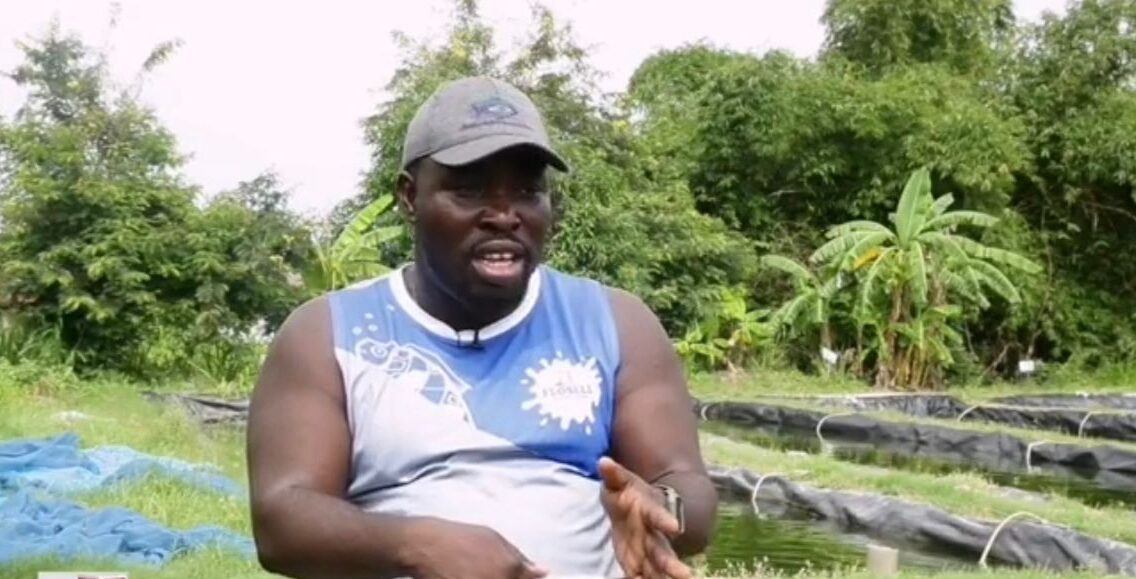
According to Evans Kojo Danso, a fish farmer who has been in the business for seven years, only about 70 out of about 1,200 registered fish farmers across the country are currently active in the business. This figure indicates that over 90 per cent of farmers have lost their investments and sources of income.
Mr. Danso, whose company is based in Sogakope, Volta Region, told blog.theghanaianfarmer.com that the high cost of feed is one of the major factors contributing to Ghana’s aquaculture sector’s demise, and that farmers have been pleading with the government to subsidise fish feeds because current prices are prohibitively expensive for local farmers in the country.
“The worst time for fish farmers in Ghana was last year (2022) where prices of everything went up so high. A bag of maize that used to sell for GHC71 became GHC290 and accordingly the feed prices also went. Maize a major component of fish feed. Feed is now selling at almost GHC300 per bag. That means that feed prices went up four times what we used to buy from the beginning. Around 2021, a bag was around GHC75 and that’s a very huge increment,” Evans Kojo lamented.
An important economic sector for creating new jobs and income is aquaculture. Sadly, due to the high cost of inputs, the majority of small-scale fish farmers in the nation are unable to survive.
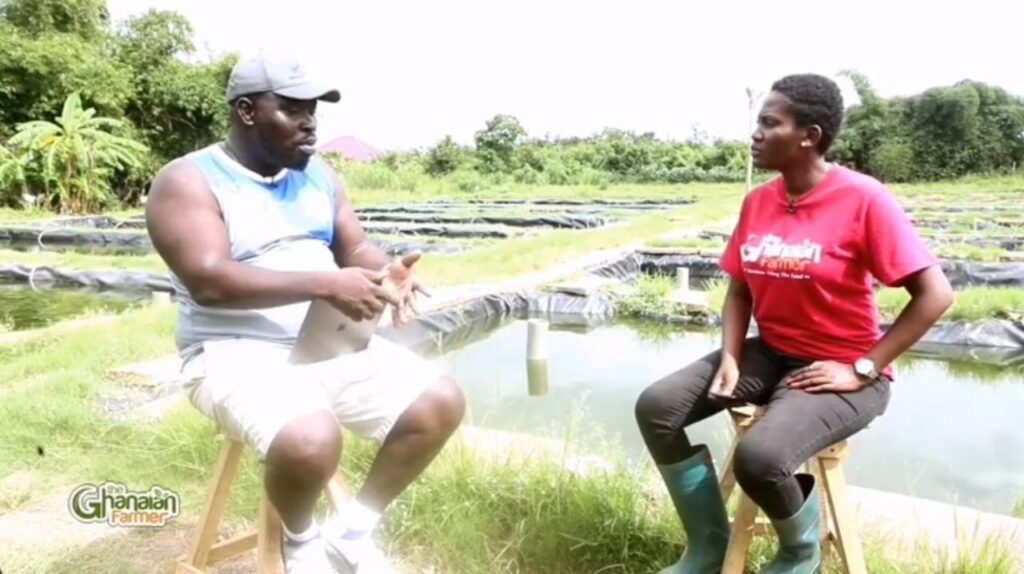
Evans Kojo said that, of the 1,200 small and medium-scale farmers across the country of various capacity, some had cages of three or four tons all the way to 200 or 300 tons.
“We have made complaints, and our leadership have written petitions to the government but we haven’t seen any change. We used to have some interventions on the feed but all those things have been taken away. The ingredients for poultry are the same for fisheries so the same way the poultry sector is struggling and closing down. We used to have close to 1,200 registered fish farmers in Ghana but currently there are only 70-80 of them which is very alarming.”
The farmers are calling on the government to subsidise feed so that it is accessible for the majority of farmers because, without doing so, we are unable to discuss the development of aquaculture.
“It’s affecting production because gradually farmers are losing their working capitals, if not have already lost. Less and less I’m able to buy feed and less and less I’m able to produce,” the young farmer sadly narrated.
Meanwhile, Evans Kojo also disclosed to theghanaianfarmer.com that fish farmers’ predicaments begun in the year 2018 where many of them lost huge investments.
“Ghana experienced the first fish disease outbreak 2018/2019 where a lot of farmers lost their investment, close to $15 million of revenue and production capacity. Later in 2020, there was another disease that brought a lot of loses. The fish will be there and the stomach become very big all of sudden. This will usually happen between day one and day 100.”
The coronavirus outbreak in Ghana did not also spare the fish farmers as there were restrictions of their major sources of demands for months.
“When COVID-19 also came with restrictions, the demand for tilapia went down. Tilapia was most used for events such as parties, weddings, funerals but we did not have those events and demand went down drastically and some farms closed down after that.”
Speaking about the way forward for the aquaculture sector, he reiterated that the state should step in with initiatives such as subsidies and grants from development partners and financial institutions.
“Subsidy will help address the situation because the cost of feed will reduce. Also, reducing the cost of energy. In China for example, aquaculture businesses pay a quarter of the domestic rate for energy utilisation but here the farms are paying commercial rates because ECG will say since you’re producing and selling, you need to pay more. In the US, power consumed by fish farms in the evening is virtually for free, you only pay what you use during the day,” Mr. Evans Kojo Danso told theghanaianfarmer.com
He continued that “these are all soft measures they put in place to enhance production. The way forward is to bring back the subsidies and financial institutions should be willing to support with finance.
“We need grants. We also find measures like how our colleagues in the Zambia are doing it with Food and Agriculture Organisation (FAO) where they put together a grant to support the farmers.”
